คู่มือการเลือกและการแก้ไขปัญหาซิลินเดอร์ไฮดรอลิกสำหรับโครงขุดและรถโหลดล้อ
News Details
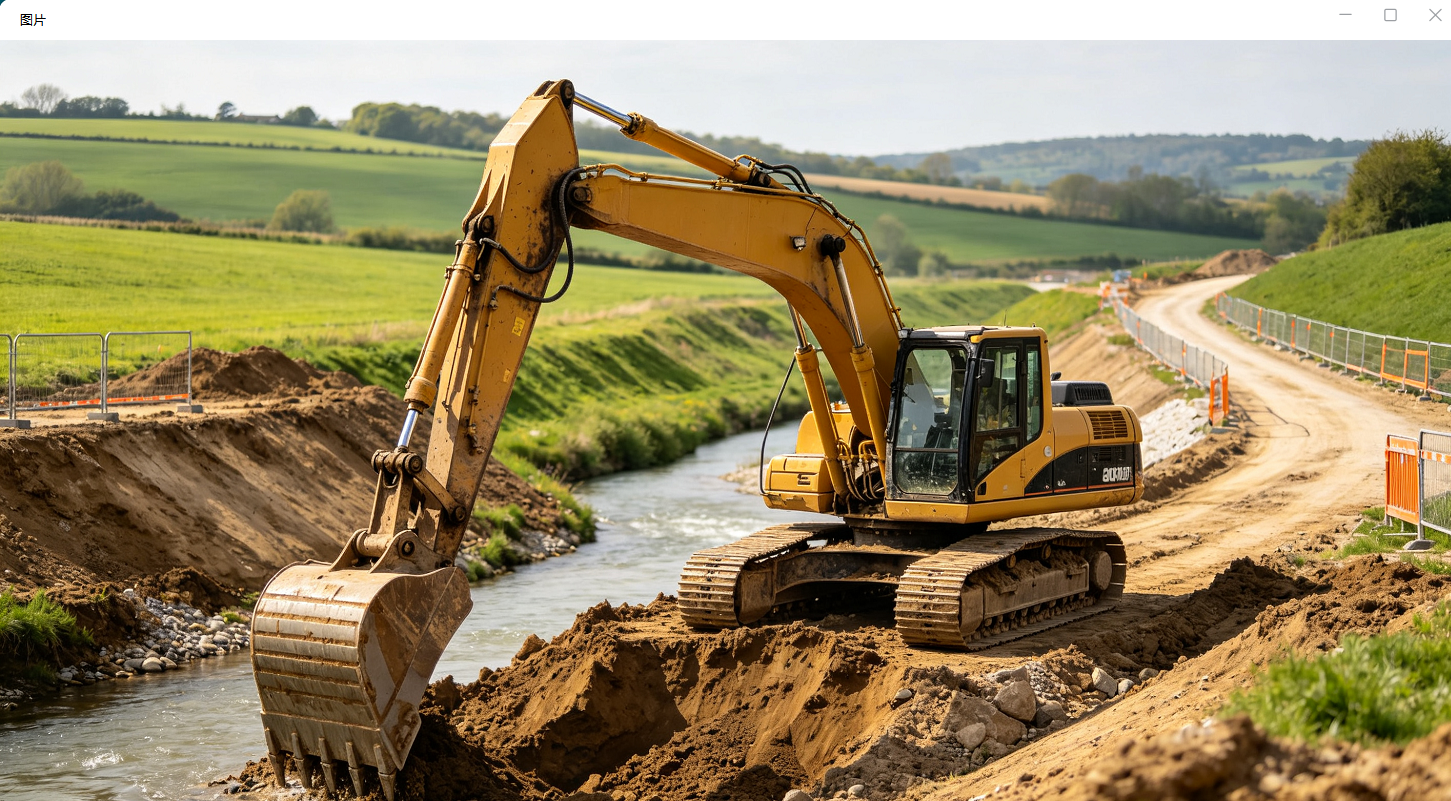
เครื่องจักรขนาดใหญ่ทำงานภายใต้ความเค้นสูง every day. On busy jobsites, excavators and wheel loaders rely on smooth fluid power to lift, dig, and dump heavy loads. At the heart of these machine movements are Excavator Hydraulic Cylinders and Loader Hydraulic Cylinders. When a cylinder fails, the whole machine stops working. Therefore, choosing the right parts and knowing how to fix common problems is essential for every fleet manager and equipment operator.
This guide explains how to select the best High-pressure hydraulic cylinders for earthmoving, how to identify early signs of wear, and how to solve everyday operational issues quickly.
How Construction Machinery Hydraulics Power Heavy Earthmoving Equipment
Earthmoving equipment requires precise force to handle tough ground conditions. Construction Machinery Hydraulics convert fluid pressure into powerful mechanical work. On an excavator, distinct cylinders control the boom, arm, and bucket. Meanwhile, a wheel loader uses lift and tilt cylinders to handle heavy gravel or dirt.
Because these units operate under high working pressures—often exceeding 35 MPa—the internal parts must resist severe shock loads. Using low-quality parts leads to frequent oil leaks, bent piston rods, and early seal failure. Investing in high-grade materials keeps machines running longer with fewer unexpected breakdowns.
Key Factors for Choosing the Right Hydraulic Cylinders
Selecting a replacement unit requires looking beyond basic dimensions. To ensure long service life and top performance, focus on these critical factors:
-
Working Pressure Rating: Match the cylinder pressure rating to your machine's system specs. Earthmoving tasks require heavy-duty components built for sudden pressure spikes.
-
Rod Material and Surface Coating: Piston rods face constant exposure to dust, water, and debris. Choosing High-Precision Hard Chrome Plated Hydraulic Piston Rods prevents surface rust, scratches, and seal erosion.
-
Seal Quality: Premium polyurethanes and PTFE seals maintain tight holds under high heat and intense pressure cycles.
-
Bore and Stroke Size: Exact measurements ensure your equipment retains its original lifting speed and force.
Wheel Loader Bucket Cylinder Troubleshooting
Wheel loaders lift heavy loads repeatedly, which puts continuous stress on the bucket cylinder. When issues occur, quick action prevents further system damage. Here are common problems and how to solve them:
1. Slow Lifting or Drifting Bucket
If the bucket drifts down while holding a load, fluid is likely bypassing the internal piston seal. Inspect the seal for heat damage or wear. Also, check the main relief valve setting on the machine to confirm proper pressure.
2. External Oil Leaks Around the Rod Gland
Oil dripping from the cylinder head usually points to a worn rod seal or a scratched piston rod. Dirt trapped under the wiper seal cuts into soft materials over time. Replacing the seals and polishing out minor rod scratches solves this issue.
3. Unusual Noises During Extension
Knocking or squealing sounds often indicate air trapped inside the hydraulic lines or insufficient fluid supply. Bleed the air out through the bleed screws and check the hydraulic oil reservoir level.
Step-by-Step Guide for Excavator Boom Cylinder Replacement
When repairs are no longer cost-effective, an Excavator boom cylinder replacement becomes necessary. Follow these simple safety and replacement steps:
-
Park on Level Ground: Lower the boom completely so the attachment rests flat on the floor. Turn off the engine and release leftover system pressure by moving the joysticks in all directions.
-
Secure the Arm and Boom: Use mechanical stands or cranes to support the boom structure before loosening any pins.
-
Disconnect Hydraulic Hoses: Label each line to ensure correct reconnects later. Plug open ports immediately to keep dirt out of the system.
-
Remove Pin Fasteners: Drive out the rod-end and head-end mounting pins carefully using brass drift punches.
-
Install the New Cylinder: Lift the replacement unit into place, align the mounting holes, and slide the pins back in. Reconnect all hoses with new O-rings.
-
Bleed Air and Test: Start the engine at low speed. Extend and retract the cylinder slowly several times without a load to flush trapped air out of the system.
Best Maintenance Practices to Prevent Cylinder Failure
Preventive care saves time and lowers long-term operating costs. Keep your hydraulic system healthy with these routine checks:
-
Inspect Rod Surfaces Daily: Wipe down piston rods and look for deep gouges or pitting.
-
Keep Oil Clean: Contaminated oil causes over 70% of hydraulic component failures. Change filters according to your maintenance schedule.
-
Grease Mounting Pins: Proper lubrication reduces bushing wear and prevents pin binding during heavy lifts.
-
Monitor Operating Temperatures: Excess heat breaks down hydraulic oil and hardens internal rubber seals.
Upgrade Your Machinery Performance
Choosing reliable hydraulic components protects your fleet against costly jobsite delays. Whether you need custom cylinder parts, replacement rods, or technical assistance, selecting the right partner makes all the difference.
If you have questions about selecting parts or need expert help with custom hydraulic solutions, feel free to Contact Us today to speak with our engineering team.


